
Our Roots
A forest school where science, reading, and hands-on learning live alongside play — not in place of it
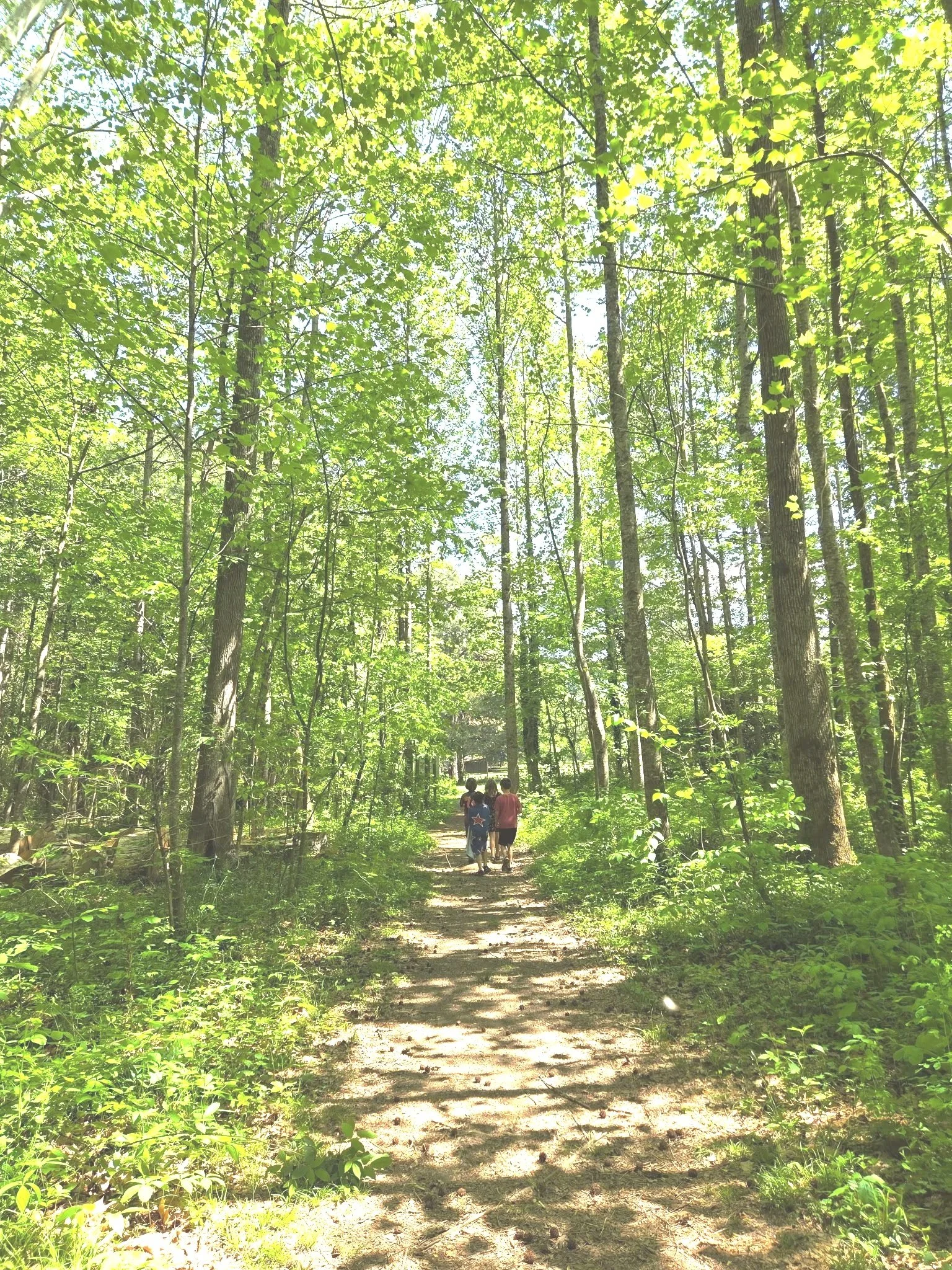
Forest School 101
Forest school is more than an "outdoor classroom." It's a complete educational approach where children learn through unhurried observation, hands-on exploration, and the rhythms of the natural world. At BlueBird, our K–5th graders study seasons by living in them — incubating chicken eggs in early spring, welcoming the bees back to our garden in May, watching the same oak shed and bud again as the year turns. The forest is not our setting. It's our teacher.
"Play is not a break from learning — it is the learning."
Our approach is intentionally observational. We step back so children can lean in — taking calculated risks, solving their own problems, and building the kind of deep, considered relationship with the natural world that lasts a lifetime.

trekking in❊ How we guide children at BlueBird
The Three Roots
Pillar #1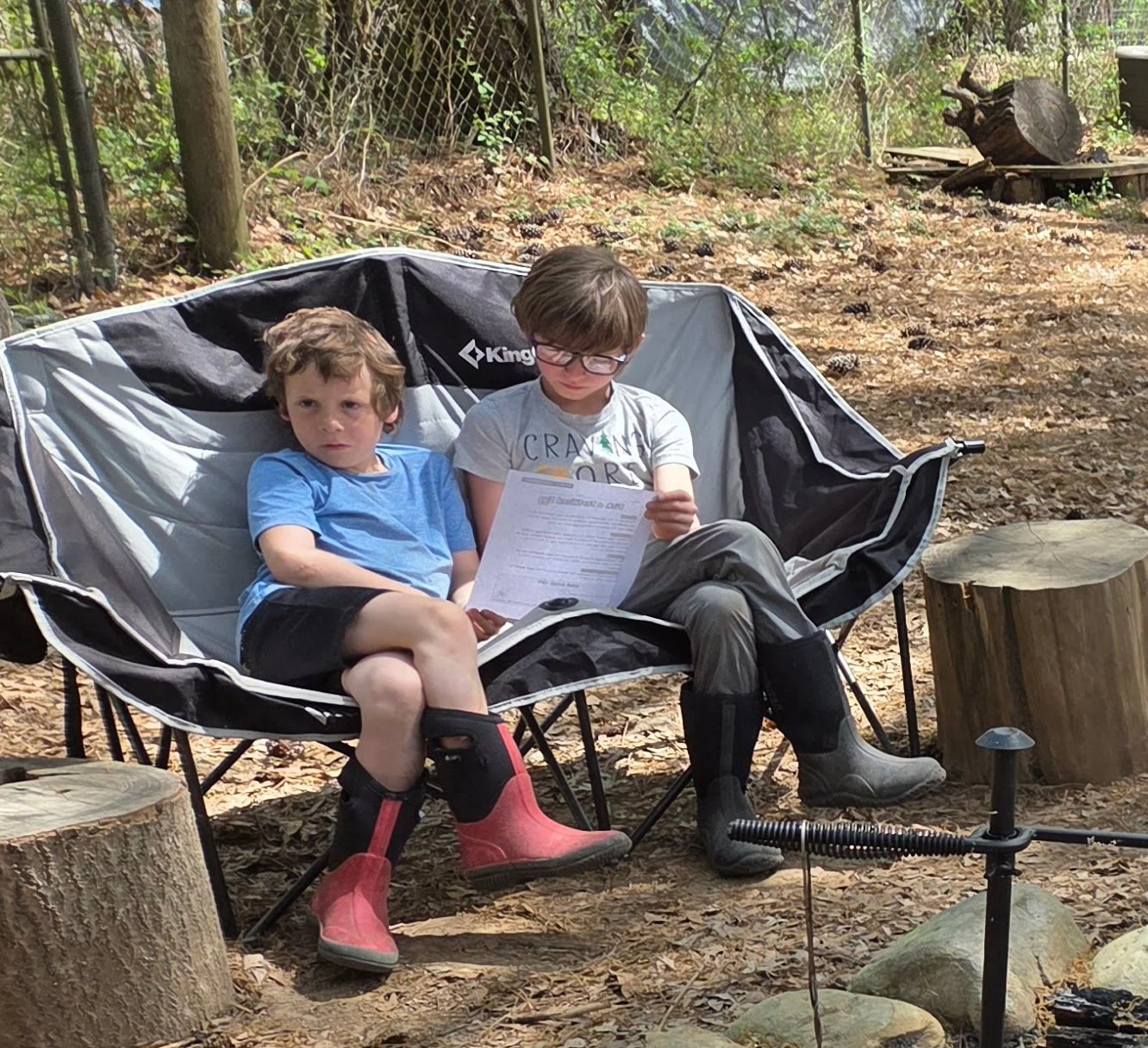
Supportive Social-Emotional Growth
Social-emotional growth and a strong sense of community are the roots of the learning tree.
Conflict resolution — empathy, active listening, and "right relations" as the path through social challenge.
Resilience building — age-appropriate risk-taking, imaginative play, and all-weather interaction that teach children to trust their instincts.
Pillar #2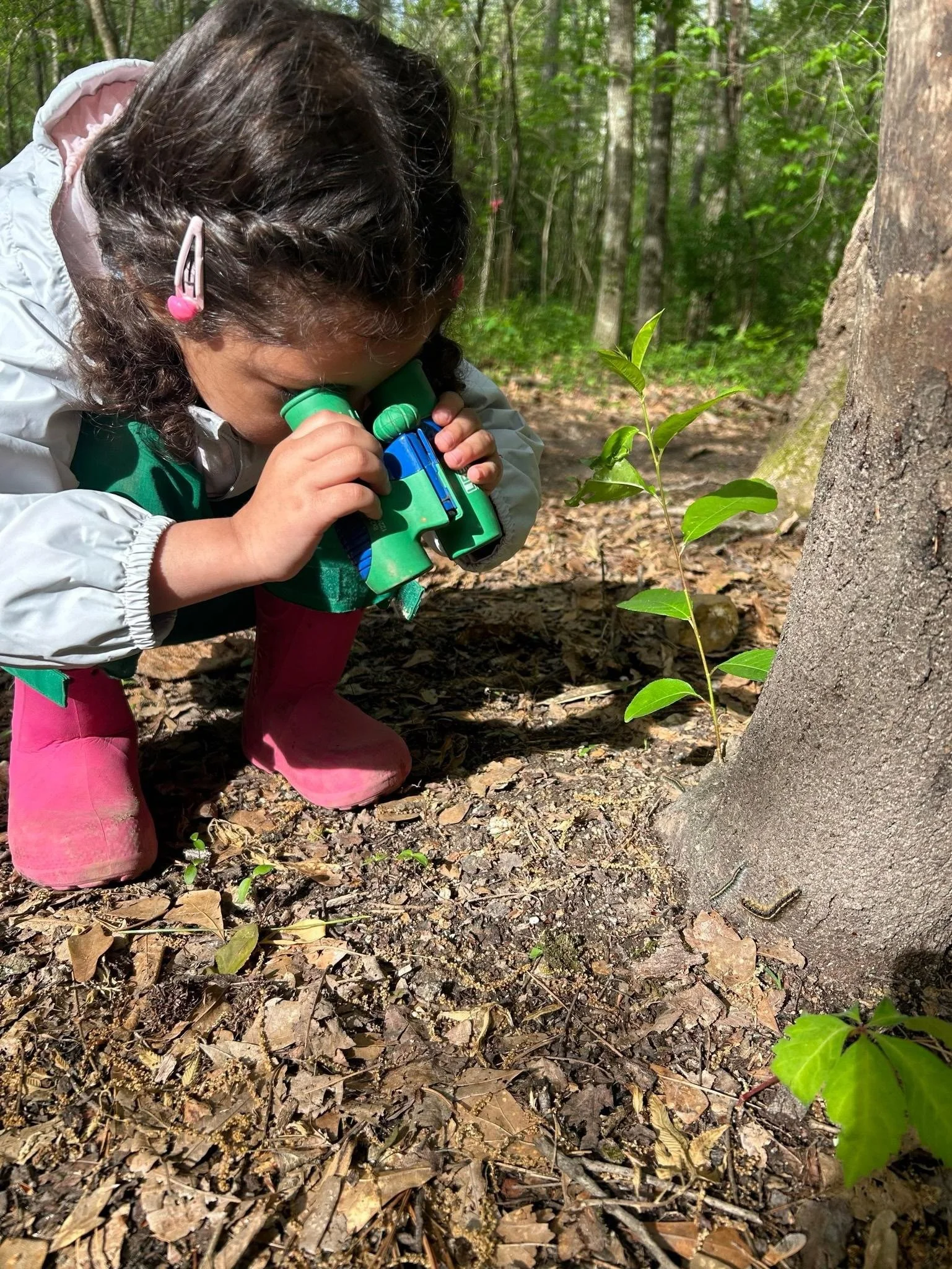
Setting Deep Roots in the Natural World
Nature is our teacher. The forest is our living classroom.
A constant presence — all-season adventures provide evolving invitations for inquiry, exploration, and wonder.
All-weather immersion — appreciation of every weather condition builds adaptability and resilience.
Pillar #3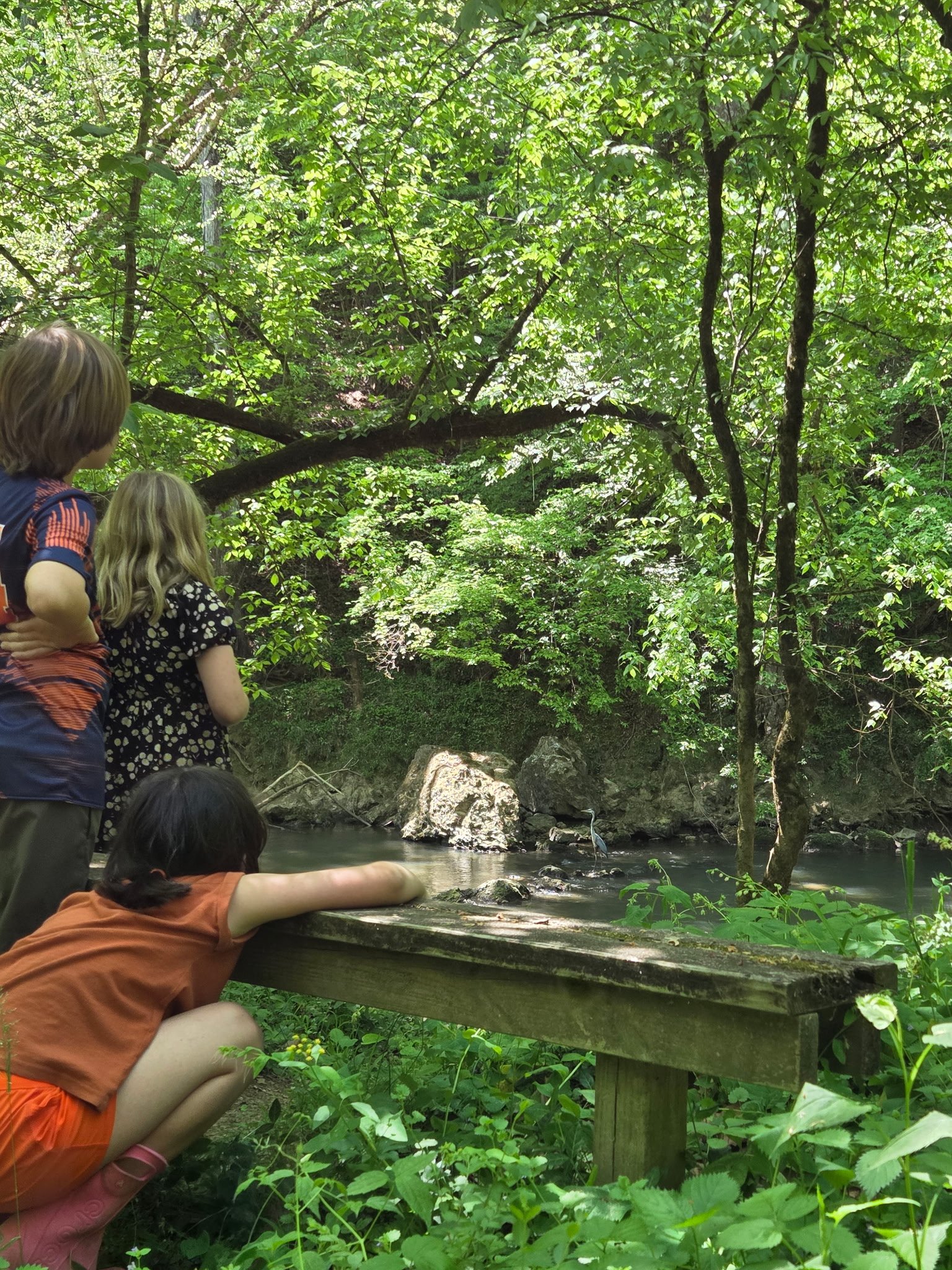
Rigorous Academic Exploration
Literature, reading, writing, mathematics, art, and scientific inquiry — integrated directly into the natural classroom.
Inquiry-based learning — children's curiosities become real-world questions worth exploring.
Practical mathematics & literacy — counting, measuring, and mapping begin with sticks, rocks, and landscape; storytelling around the campfire builds reading and communication.
❊ The Land
The 130 acre Audubon Acres Nature Sanctuary is home to many bird species, forest schools, and community events

❊ A Day in the Forest
Our daily rhythm
We trust that play is the work of childhood — and that academic depth grows alongside it. So we structure each day in rhythm: inhale moments of focused, gathered learning, and exhale moments of release into the forest. Both halves are essential. Both halves are the lesson.
EXHALE - 9:00 amTrekking In
The day begins with a walk into the woods. Children gather at the entry trail and follow a chosen community leader and trail leader along the path to camp — eyes on the ground, ears open. The first observations of the day often happen here: a mushroom that wasn't there yesterday, a new track in the dirt, the first hint of the season turning.
inHALE - 9:30 amCommunity Circle
We gather around the fire circle to begin the day — sharing intentions, singing seasonal songs, and asking the morning's first question: what's new today? The answers come from yesterday's field-journal notes, this morning's sky, or a beetle someone spotted on the walk in.
inHALE - 9:45 amWild Wisdom Card
Each morning begins with an intentional moment of reflection: one child draws a Wild Wisdom Card from our curated naturalist decks—ranging from native insects to large mammals, plant life, and seasonal elements. Each card carries a unique lesson, serving as a catalyst for personal reflection, self-regulation, and social-emotional growth. This simple lesson from the natural world becomes the living thread that weaves through our entire morning, teaching us how to live in harmony with each other and our environment.
EXHALE - 10:00 amSnack & Free Play
Children share a morning snack and find their own corners of the forest — climbing, building, exploring, or sitting still. Play is not a pause from learning; it's how the morning's observations begin to settle in.
inHALE - 10:30 amAcademics, Round One
Each grade level gets focused one-on-one time with their teacher — reading, writing, math, science. While one group studies, the others have supervised forest time. We rotate through until every child has had their dedicated learning time.
exHALE - 12:00 pmLunch
We share a meal under the canopy — usually on the picnic tables or beneath the great oak. Children eat together, then find a quiet spot to draw in their field journals or rest before the afternoon's work.
inHALE - 1:00 PMAcademics, Round Two
The afternoon brings a second round of focused study — typically project work, group reading, or guided science aligned with what we observed in the morning. Same rotation: each grade level with their teacher, the rest at play in the forest.
exHALE - 2:30 PMTrekking Out
The day closes the way it began — with a walk along the trail. Our community leader and trail leader gather the group and lead the way back to the pickup site. The last observation of the day often happens here, too: a deer track no one noticed this morning, or a flower beginning to close.
exHALE - 3:00 PmPick-up & Parent Circle
Parents arrive at the trail's end to meet their children. Teachers stay a while — passing along news from the day, flagging upcoming events, and answering the small questions families bring. The day closes here; the community carries on a little longer.
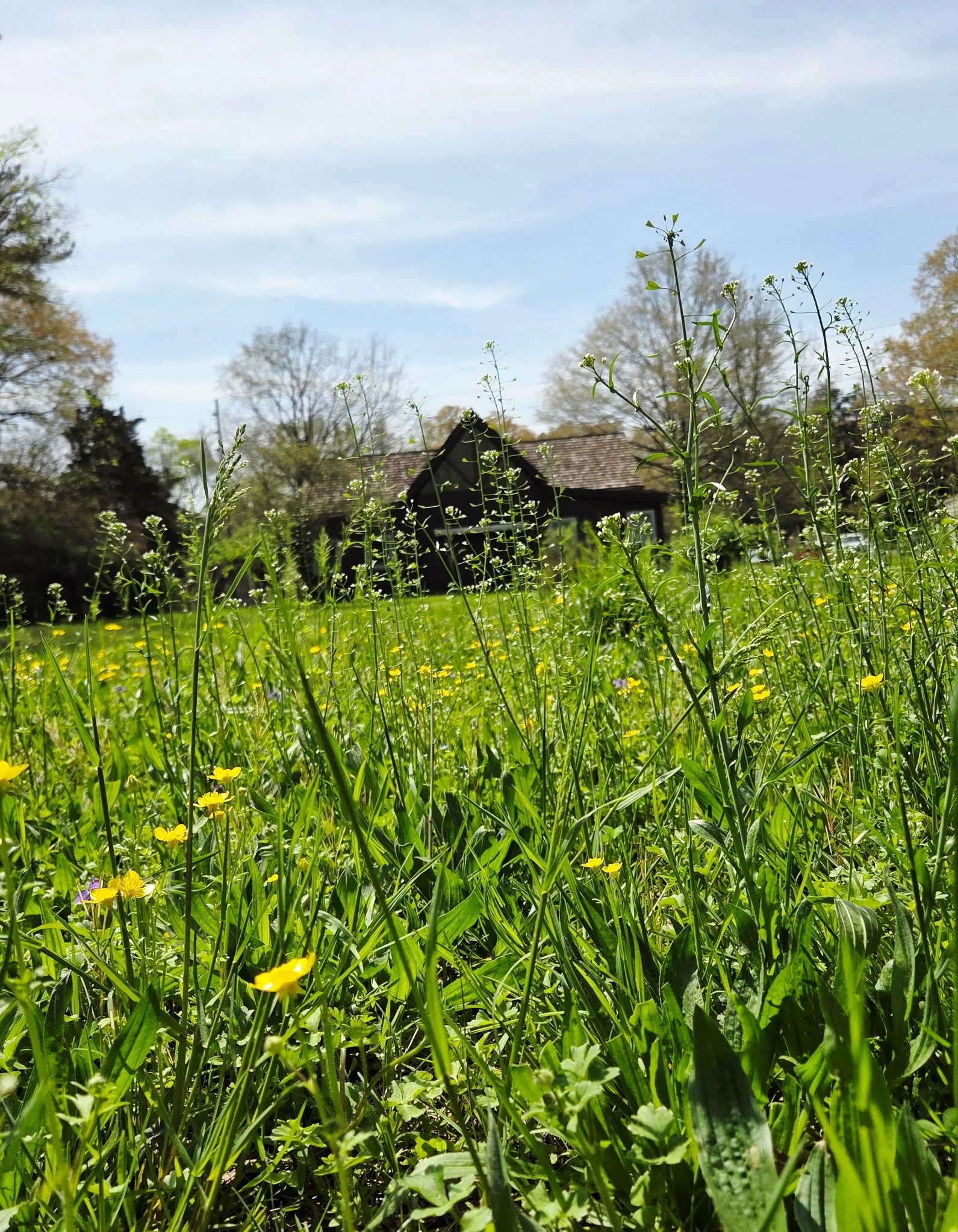
Photo: Carmen Vanderhoof, Audubon acres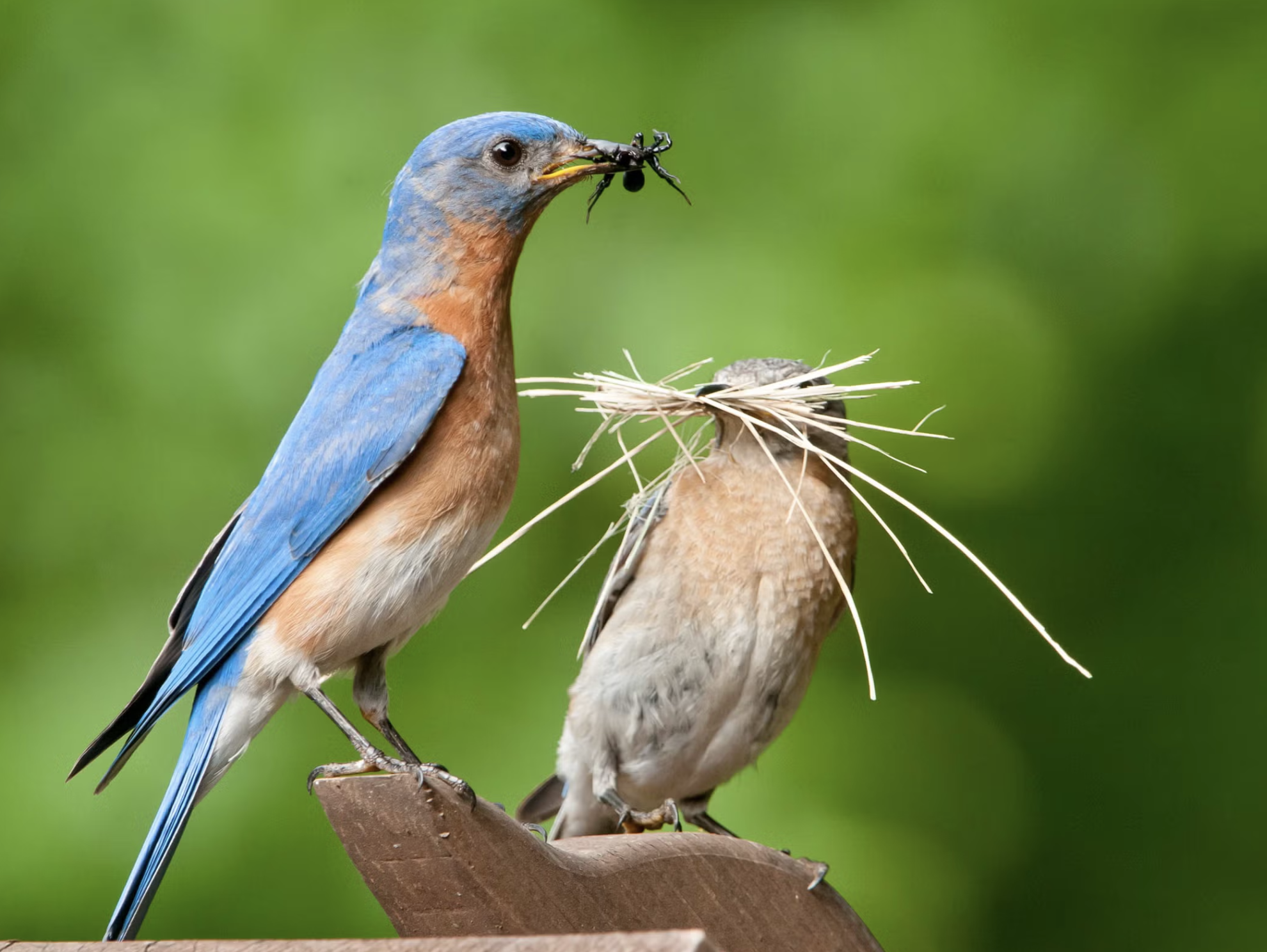
Photo by mark boyd, audubon photography awards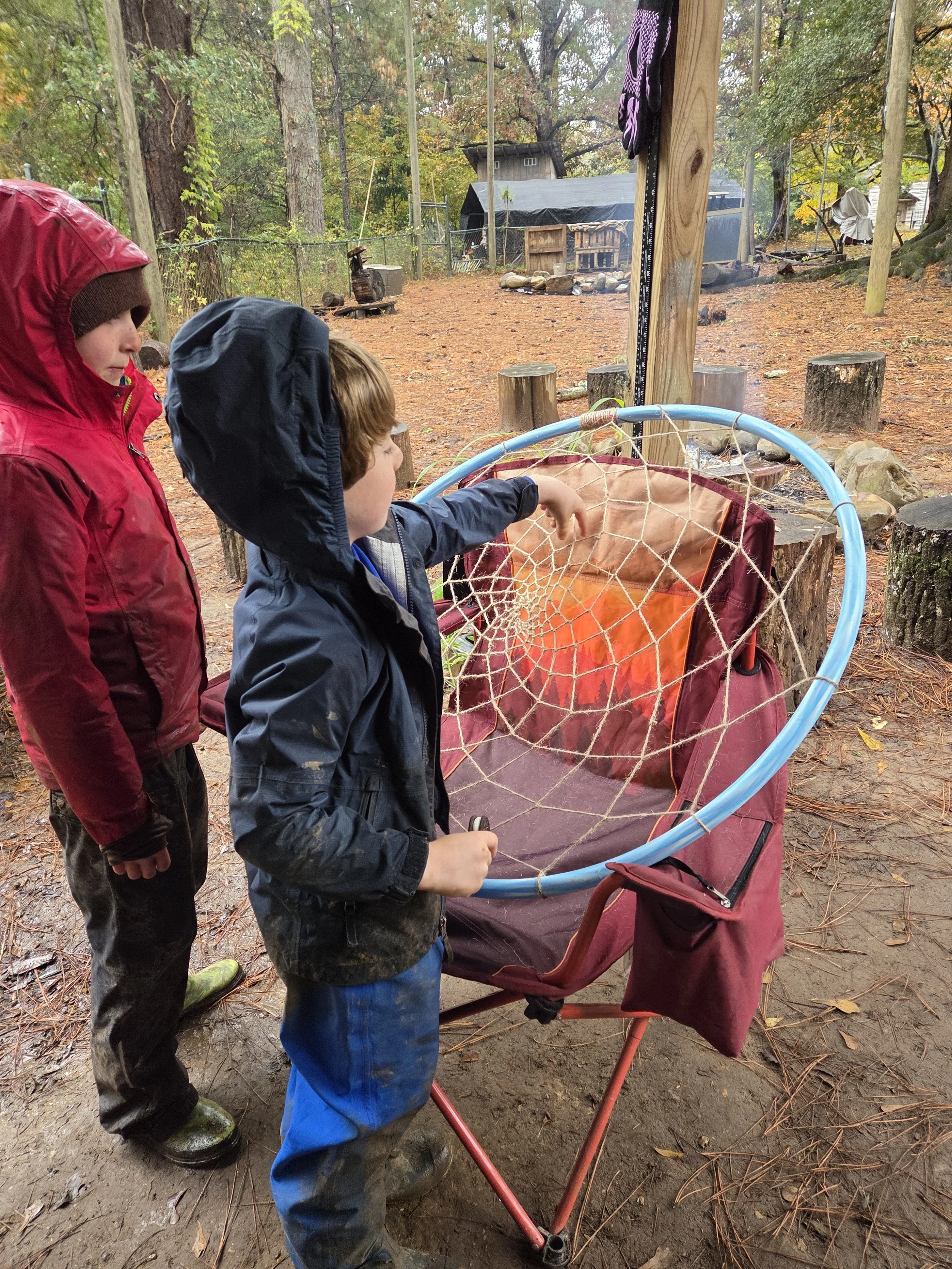
play time class