
High Summer: The Great Inhale
Tending the Quiet Months
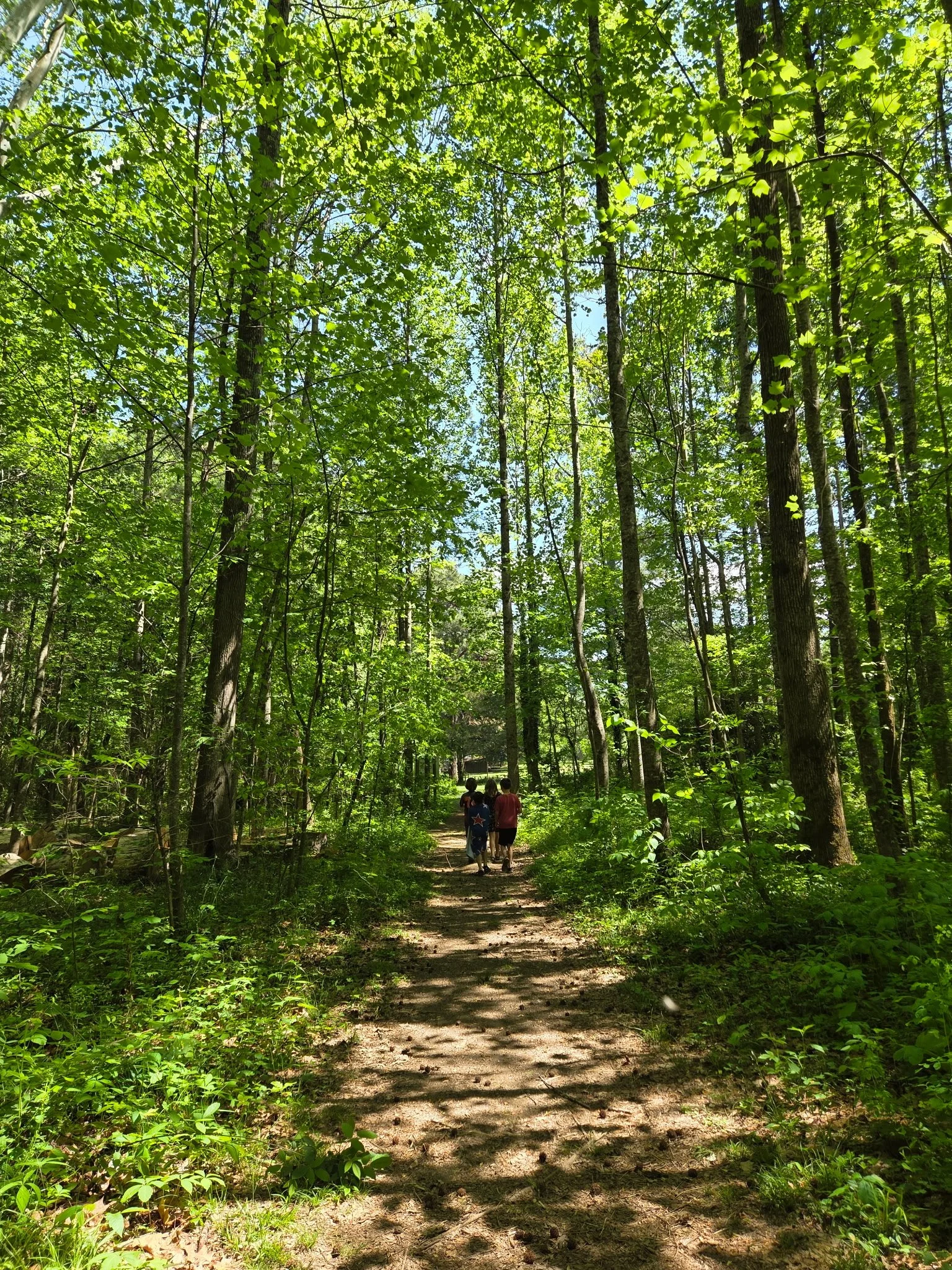
Like the woodland cycles we observe at Audubon Acres, Bluebird Wild School thrives on natural rhythms. From early autumn to late spring, our days are spent under the canopy. But as high summer settles over the forest—bringing humid breezes, ripening wild berries, and heavy afternoon sunshine—our campus pauses.
During June and July, our students and guides scatter across the regional landscape. We return to our home gardens, wander along riverbanks, press summer flora into journals, and reconnect with family and friends. It is a season for necessary downtime, soft sunlight, and quiet observation.
To keep curiosity nimble, our young naturalists carry home summer reading and gentle field prompts—simple invitations to keep their senses tuned to the natural world and turn moments of stillness into quiet discovery.
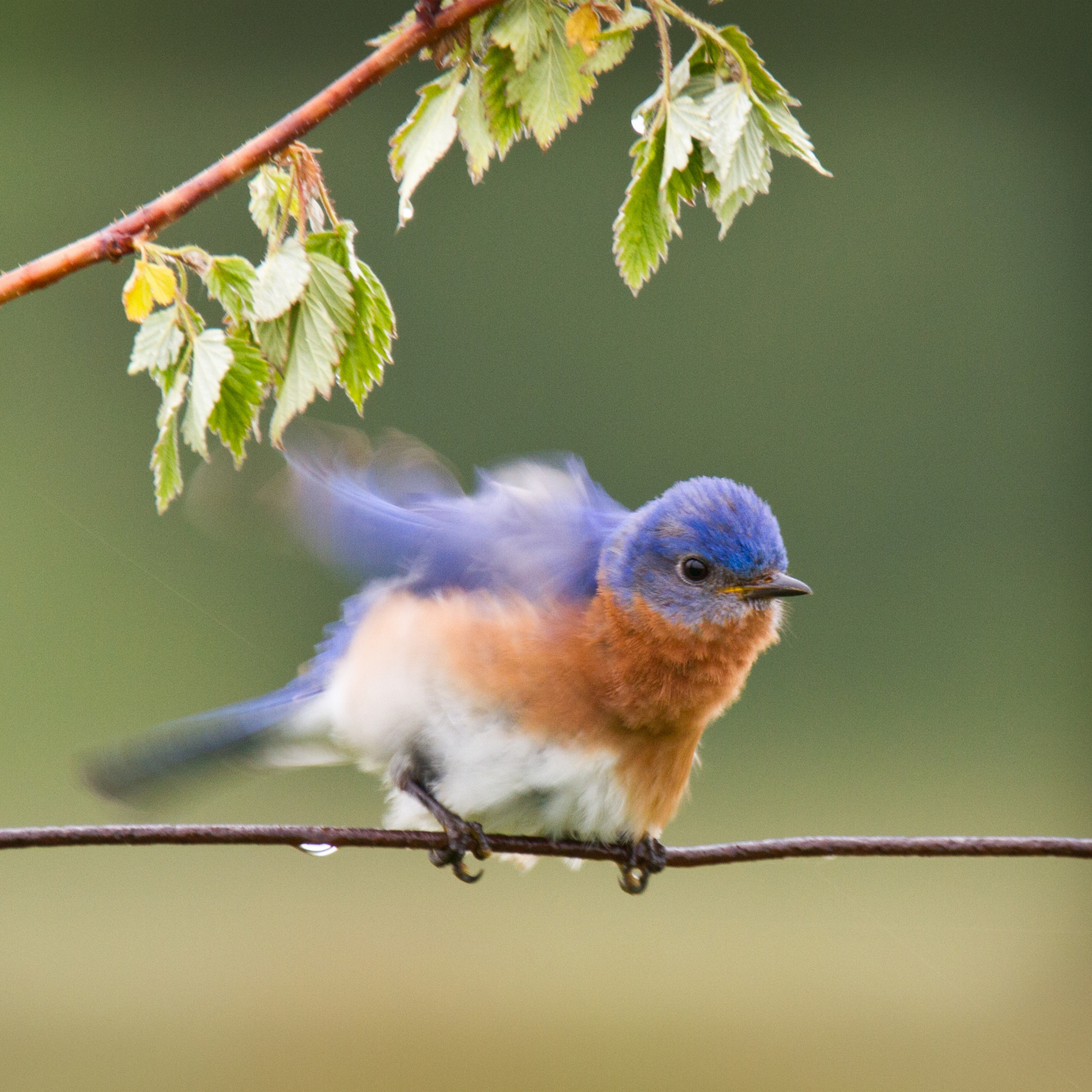
Mapping the Horizon
While our families journey and rest, our educators use these warm months for reflection and quiet work. Summer is our forest school’s great inhale.
Behind the scenes, teachers are gathering literature, mapping out seasonal studies, and preparing academic frameworks that weave seamlessly with outdoor immersion. We map the journey ahead—preparing to guide our students through history, the wonders of natural science, mathematical patterns in nature, and the rich joys of every shifting season.
One of the greatest privileges of a Bluebird guide is that we never teach in isolation; we learn alongside our students as the forest unfolds before us.
Looking Ahead
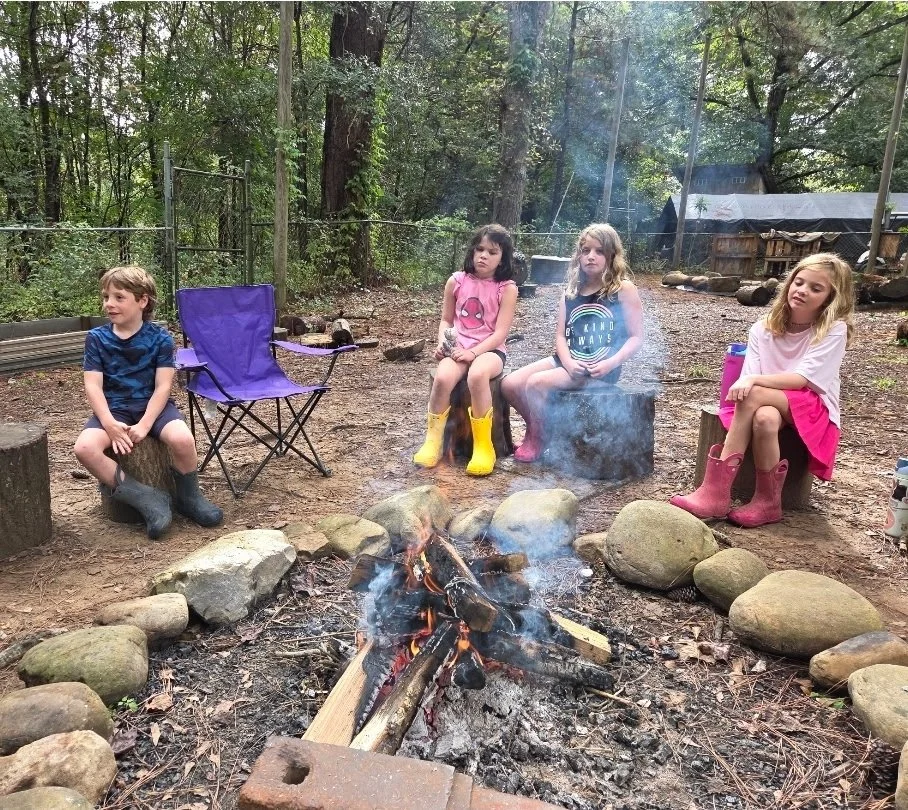
We miss the laughter along the trails and the daily discoveries at the creek, but we delight in hearing stories of summer travels, garden harvests, and books read in the shade of oak trees.
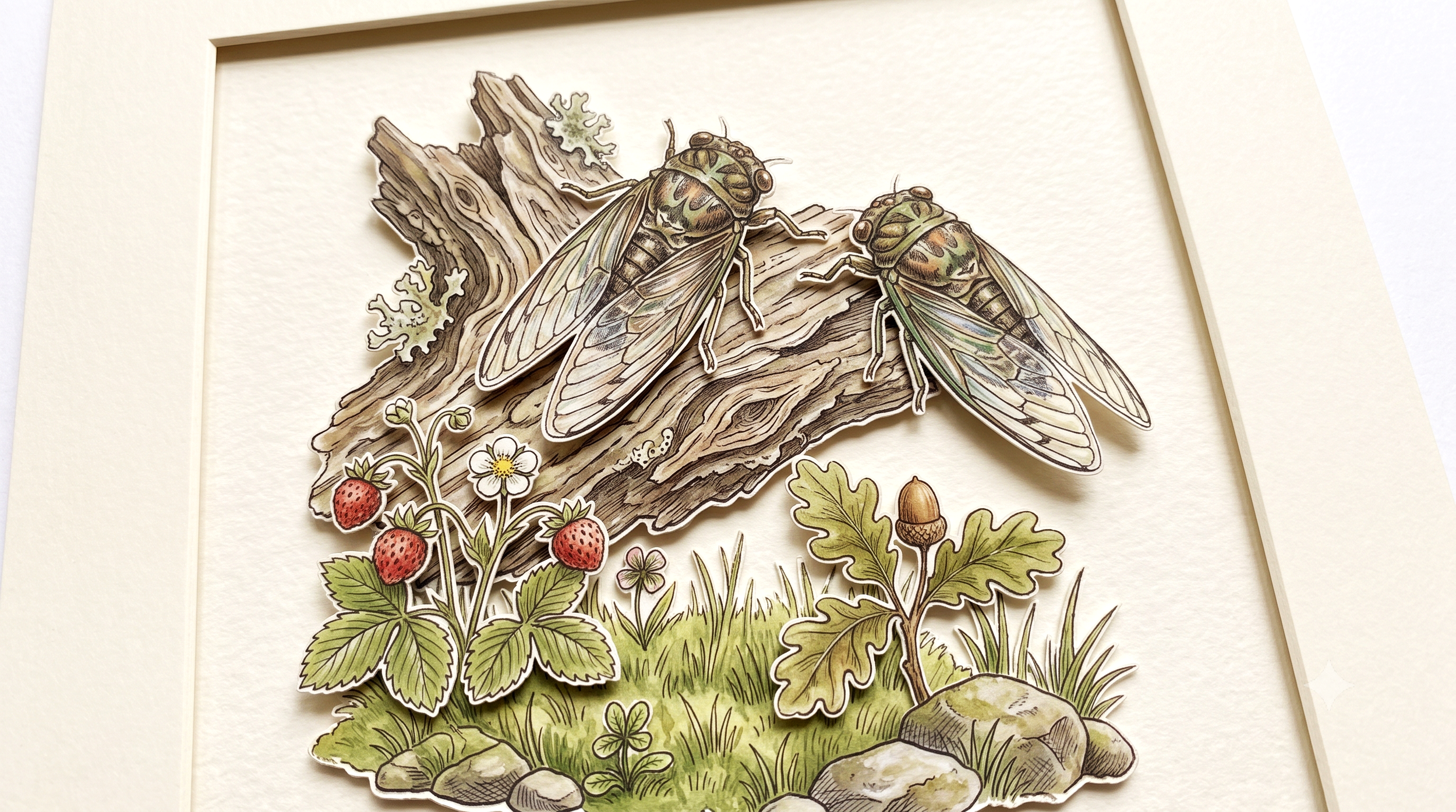
As the cicadas sing us into late July, our hearts turn toward August. We are gathering our tools, polishing our field lenses, and eagerly awaiting the moment we step back onto the trails together.
✦🪶✦
